 11
11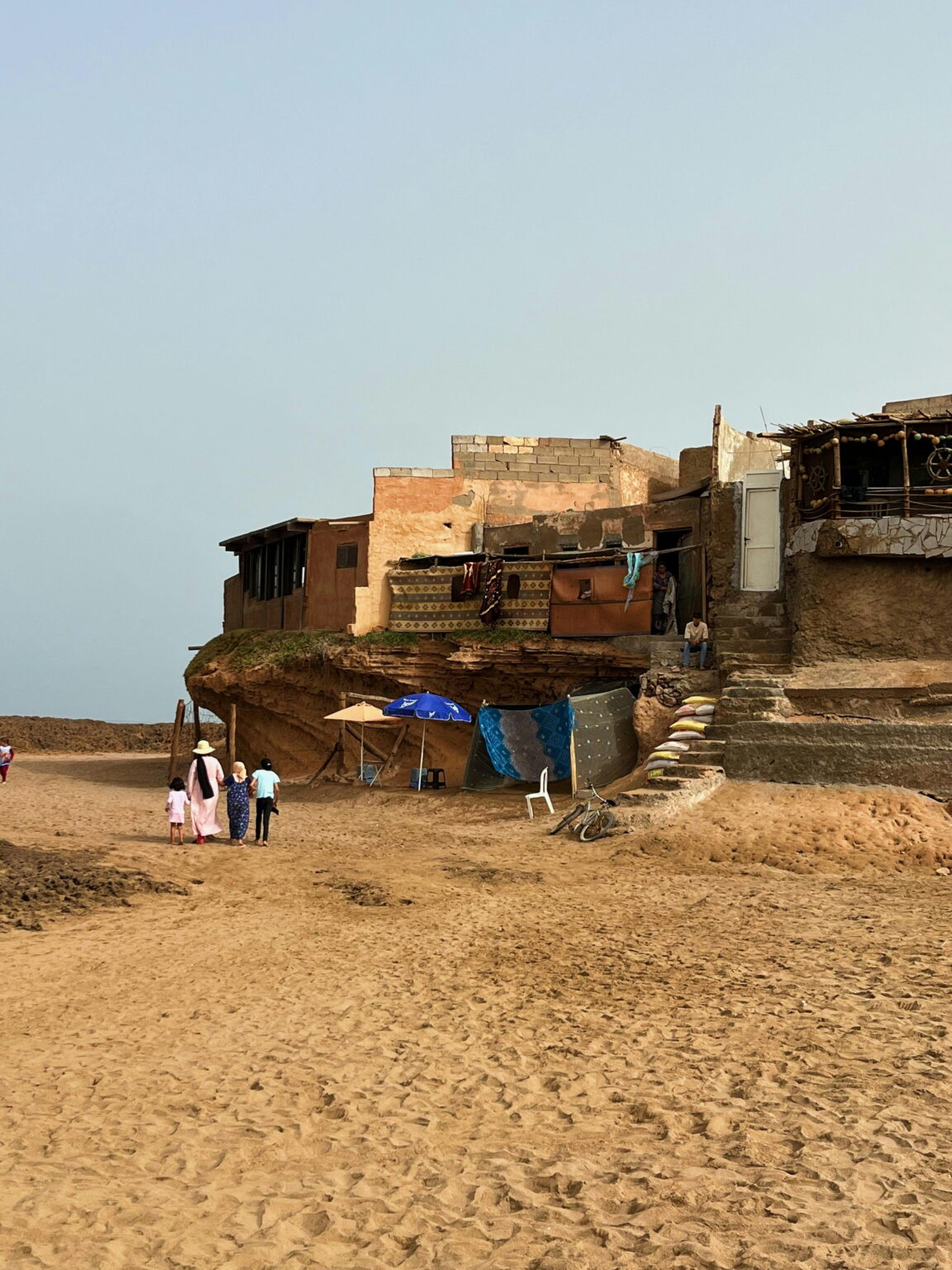
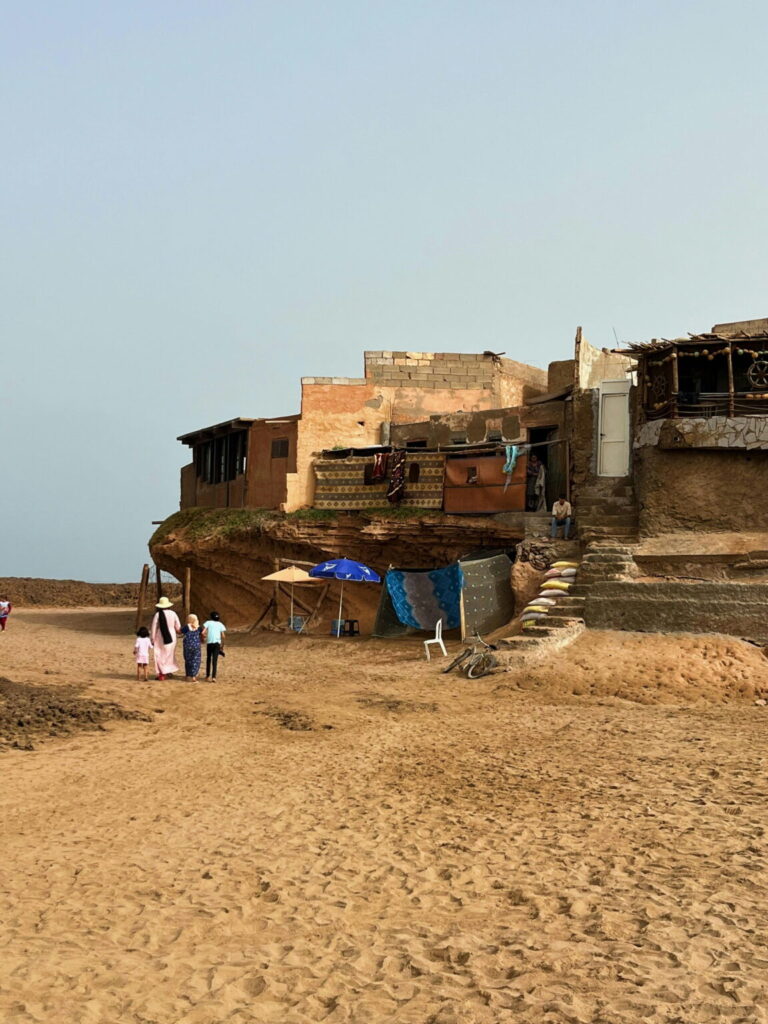
Los constructores antiguos aprendieron a leer el viento, la sombra, la radiación y el agua. De esa lectura surgieron muros gruesos de piedra caliza que amortiguaban el verano mediterráneo, patios andaluces que refrescaban mediante agua y sombra, técnicas árabes que usaban la evaporación para enfriar el aire, viviendas nórdicas orientadas para capturar luz en inviernos prolongados. Aquellas obras no separaban casa y territorio: asumían que habitar es ajustar cuerpo, materia y clima en una continuidad.
Vidrio, acero y hormigón, ahora se despliega desde Miami a Oslo como si el sol, el viento, la humedad, el suelo y la cultura local fueran variables prescindibles. La estandarización encaja con cadenas de suministro globales, manuales de montaje, seguros que premian lo ya probado y carteras de inversión que necesitan activos comparables. La ciudad deja de pensarse para quienes la viven y pasa a diseñarse para quienes la capitalizan.
El cemento, es responsable de alrededor del 8% de las emisiones globales de CO₂, el acero y el vidrio constituyen un trípode industrial con pocos jugadores capaces de controlar extracción, energía, transporte y crédito. La obra civil se vuelve una máquina que transforma caliza, coque, mineral de hierro y gas en flujos financieros previsibles. El costo real (energía incorporada, calor urbano, enfermedades asociadas, obras de drenaje, pérdidas por inundación) se difiere o se socializa. Lo que se privatiza es la renta; lo que se colectiviza es el daño.
Parte del parque edificado actual está diseñado para garantizar demanda energética cautiva.
Fachadas de vidrio mal orientadas, superficies selladas, plazas duras y techos oscuros elevan la temperatura del entorno y obligan a refrigerar. Los aires acondicionados, al expulsar calor a la calle, incrementan el problema que dicen resolver. Se construye, literalmente, una dependencia. Cuando el termómetro sube, gana la eléctrica. Cuando el alcantarillado colapsa, gana la empresa de obra pública contratada de emergencia. Cuando se deteriora la salud por estrés térmico, paga el sistema sanitario, no el balance del promotor.
El asfalto y hormigón absorben radiación y la devuelven lentamente de noche; la pérdida de vegetación elimina evapotranspiración (el aire acondicionado gratuito de la naturaleza); la geometría de calle-cañón atrapa el aire caliente; el tráfico y la maquinaria añaden calor antropogénico. Las consecuencias son islas térmicas que elevan varios grados la temperatura respecto del entorno rural, con picos mortales en olas de calor. Las muertes por hipertermia, los desmayos, la pérdida de productividad laboral y los fallos en redes críticas no son “daños colaterales”: son efectos previsibles de decisiones formales.
A mayor superficie impermeable, mayor escorrentía y mayor caudal pico en menos tiempo.
El agua que antes infiltraba en suelos vivos ahora rebota en explanadas de concreto y corre a una red de drenaje pensada para tormentas medias de otra época. Se rellenan humedales, se encauzan quebradas, se construye en llanuras de inundación, y luego se culpa a la lluvia. Las obras correctoras (tanques de tormenta, colectores sobredimensionados, nuevos diques) llegan después, más caras que haber diseñado desde el principio con porosidad, retención y suelo absorbente.
Vale recordar que ya sabíamos hacerlo mejor. Los qanat persas movían agua bajo tierra sin recalentar la superficie; las calzadas romanas incorporaban drenaje en su propia sección; Teotihuacán articulaba canales y vegetación para estabilizar temperatura y humedad.
La sostenibilidad no es un descubrimiento reciente: es un conocimiento desatendido porque desbarata la rentabilidad de la repetición industrial.
Plazas desnudas y sin sombra desalientan la estancia; las personas migran al interior climatizado de centros comerciales, donde toda interacción se reorganiza alrededor del consumo. Oficinas con pieles de vidrio separan el interior del clima real y normalizan el aire artificial como única respuesta. Grandes viarios y aparcamientos distribuyen el tiempo y la energía cotidiana hacia el automóvil.
La vida pública se vuelve una secuencia de interiores controlados, vigilables y monetizables.
Quien dispone de medios compra climatización, reserva lugares en zonas altas y paga seguros; quien no, afronta la ola con ventilador y balde, y mira cómo el agua arrastra su casa. La forma construida perpetúa desigualdades y fabrica nuevas.
Y aunque las investigaciones ofrecen otras alternativas como materiales con altísimo desempeño térmico, compuestos bio-basados de baja energía incorporada, sistemas inspirados en la naturaleza que gestionan agua y calor con elegancia física, no llegan a la vivienda común porque el circuito de decisiones (normas, seguros, bancos, licitaciones, premios) premia lo conocido. Se enseña a proyectar para impresionar al render, no para bajar cinco grados a la calle a las tres de la tarde. Se evalúa por costo inicial, no por costo de ciclo de vida.
Se valora la “imagen potente”, no la sombra continua ni el suelo que bebe.
El giro es posible y no exige milagros. Exige voluntad. Allí donde se prioriza la sombra, cae el estrés térmico. Allí donde el suelo vuelve a ser suelo, el pico de caudal se aplana. Allí donde la masa térmica se aísla hacia el exterior y se ventila cruzado, la necesidad de máquinas desciende. Allí donde se devuelve el agua a su curso, la ciudad deja de pelear con la cuenca. Pero estas decisiones alteran cadenas de valor; por eso encuentran resistencias: menos metros de vidrio significan menos ventas para ciertos proveedores; más verde vivo implica menos contratos de pavimento; diseñar para durar reduce la rotación de capital.
Mientras el negocio dependa de edificios que calientan y suelos que no absorban, el calor y el agua seguirán castigando. La arquitectura actual ha demostrado con creces que puede producir edificaciones deslumbrantes. Lo urgente es que vuelva a producir sombra, frescor, porosidad y memoria. Que cambie la métrica del éxito: menos kilovatios-hora, menos grados a nivel de calle, menos milímetros de lámina que llegan al colector, menos camas ocupadas por golpe de calor.
Cuando una ciudad decide plantar árboles en serie, abrir el suelo, cambiar pieles opacas por protecciones solares, limitar la altura donde el viento se estrangula y rehabilitar con materiales que respiran, no está “volviendo al pasado”: está afirmando que la vida vale más. Habitar, en última instancia, no es otra cosa que eso: poner la técnica al servicio del cuerpo común. Y en ese orden, cada licencia, cada pliego, cada fachada y cada árbol son un pronunciamiento político.
Si seguimos construyendo calor e inundación, no será por falta de alternativas, sino por exceso de intereses. Si decidimos otra cosa, la ciudad lo mostrará a plena luz… y a buena sombra.
Built Heat and Floods: A Critique of Modern Urbanism
Ancient builders learned to read the wind, the shadows, radiation, and water. From that reading emerged thick limestone walls that buffered the Mediterranean summer, Andalusian courtyards that cooled through water and shade, Arabic techniques that used evaporation to chill the air, and Nordic dwellings oriented to capture light during prolonged winters. Those works did not separate the house from the territory: they assumed that inhabiting is the act of adjusting body, matter, and climate into a single continuity.
Today, glass, steel, and concrete are deployed from Miami to Oslo as if the sun, wind, humidity, soil, and local culture were dispensable variables. This standardization fits global supply chains, assembly manuals, insurance policies that reward the “tried and true,” and investment portfolios that require comparable assets. The city is no longer thought of for those who live in it; it is designed for those who capitalize on it.
Concrete is responsible for about 8% of global CO₂ emissions. Together with steel and glass, it constitutes an industrial tripod with very few players capable of controlling extraction, energy, transport, and credit. Civil works become a machine that transforms limestone, coke, iron ore, and gas into predictable financial flows. The real cost—embodied energy, urban heat, associated diseases, drainage works, flood losses—is either deferred or socialized. What is privatized is the profit; what is collectivized is the damage.
Part of the current built environment is designed to guarantee captive energy demand.
Poorly oriented glass facades, sealed surfaces, hardscapes, and dark roofs raise the surrounding temperature and force the use of cooling systems. Air conditioners, by expelling heat into the street, increase the very problem they claim to solve. A dependency is literally being built. When the thermometer rises, the utility company wins. When the sewage system collapses, the emergency public works contractor wins. When health deteriorates due to thermal stress, the healthcare system pays—not the developer’s balance sheet.
Asphalt and concrete absorb radiation and release it slowly at night; the loss of vegetation eliminates evapotranspiration (nature’s free air conditioning); street-canyon geometry traps hot air; and traffic and machinery add anthropogenic heat. The consequences are “heat islands” that raise temperatures several degrees above the rural surroundings, with lethal peaks during heatwaves. Deaths from hyperthermia, fainting, loss of labor productivity, and critical grid failures are not “collateral damage”: they are predictable effects of formal design decisions.
The greater the impermeable surface, the greater the runoff and the higher the peak flow in less time.
Water that once infiltrated living soils now bounces off concrete esplanades and rushes into a drainage network designed for the average storms of a different era. Wetlands are filled, creeks are channeled, floodplains are built upon, and then the rain is blamed. Corrective works—storm tanks, oversized collectors, new dikes—arrive later, costing far more than it would have to design with porosity, retention, and absorbent soil from the start.
It is worth remembering that we already knew how to do it better. Persian qanats moved water underground without overheating the surface; Roman roads incorporated drainage into their very section; Teotihuacán articulated channels and vegetation to stabilize temperature and humidity.
Sustainability is not a recent discovery: it is neglected knowledge that has been cast aside because it disrupts the profitability of industrial repetition.
Bare, shadeless squares discourage lingering; people migrate to the climate-controlled interiors of shopping malls, where all interaction is reorganized around consumption. Offices with glass skins separate the interior from the actual climate and normalize artificial air as the only answer. Massive roadways and parking lots distribute daily time and energy toward the automobile. Public life becomes a sequence of controlled, monitorable, and monetizable interiors.
Those with means buy climate control, reserve spots in high-ground areas, and pay for insurance; those without must face the heatwave with a fan and a bucket, watching as the water sweeps their homes away. The built form perpetuates existing inequalities and manufactures new ones.
And although research offers alternatives—materials with high thermal performance, low-embodied-energy bio-based compounds, and nature-inspired systems that manage water and heat with physical elegance—they do not reach common housing because the decision-making circuit (regulations, insurance, banks, tenders, awards) rewards the familiar. Students are taught to design to impress the render, not to lower the street temperature by five degrees at three in the afternoon. Evaluation is based on initial cost, not life-cycle cost.
The “powerful image” is valued over continuous shade or the soil that drinks.
The shift is possible and does not require miracles. It requires will. Where shade is prioritized, thermal stress drops. Where soil becomes soil again, the flow peak flattens. Where thermal mass is insulated from the exterior and cross-ventilation is used, the need for machinery declines. Where water is returned to its natural course, the city stops fighting the watershed. But these decisions alter value chains, which is why they meet resistance: fewer meters of glass mean fewer sales for certain suppliers; more living greenery implies fewer paving contracts; designing for durability reduces the turnover of capital.
As long as business depends on buildings that heat up and soils that do not absorb, heat and water will continue to punish us. Current architecture has more than proven it can produce dazzling buildings. What is urgent is that it returns to producing shade, coolness, porosity, and memory. Let us change the metric of success: fewer kilowatt-hours, fewer degrees at street level, fewer millimeters of runoff reaching the collector, fewer hospital beds occupied by heatstroke.
When a city decides to plant trees in series, open up the ground, swap opaque skins for solar protections, limit heights where the wind is strangled, and rehabilitate with materials that breathe, it is not “going back to the past”: it is affirming that life is worth more. Inhabiting, ultimately, is nothing other than that: putting technique at the service of the collective body. And in that order, every license, every bid, every facade, and every tree is a political statement.
If we continue to build heat and floods, it will not be for a lack of alternatives, but for an excess of interests. If we decide otherwise, the city will show it in plain light… and in good shade.